
YOUR WATER GUIDE COMPANION
Water Damage Resources
Make sense of moisture-report language and keep clear notes about what you notice. Useful context for the conversations that accompany a water-damage claim.
Explore these resources ↓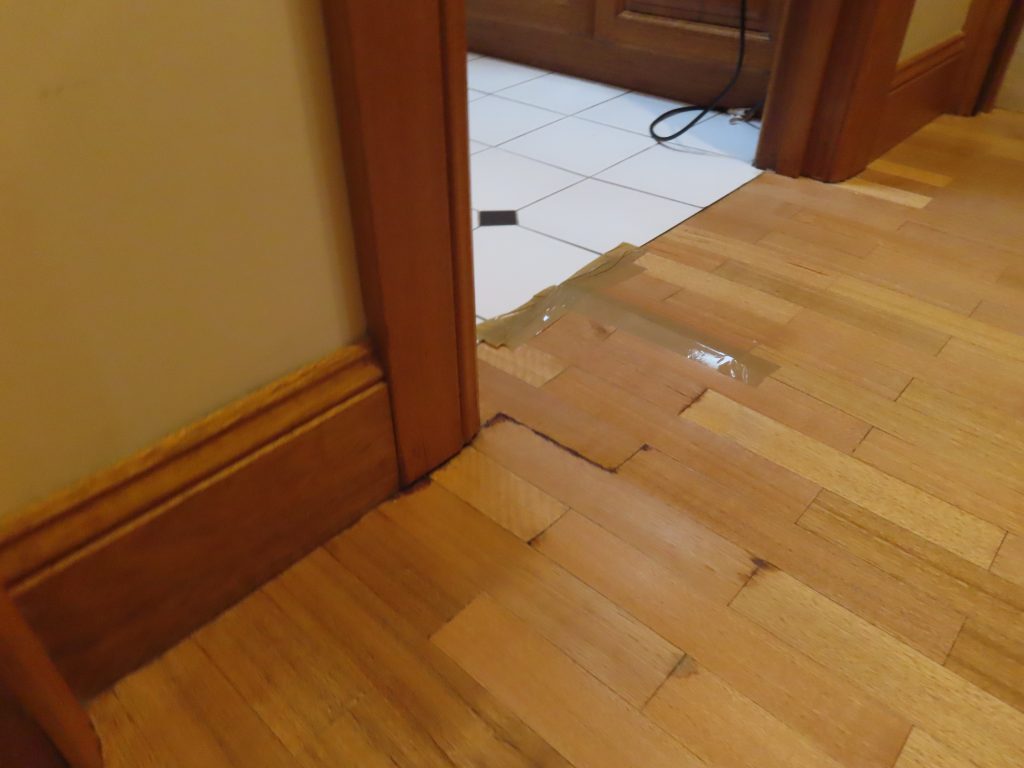
Water-damage reports can contain numbers and technical terms that are unfamiliar. You do not need to become a drying technician to ask for a clear explanation. This page helps you follow the language alongside your Water Damage Claim Guide.
What does a moisture reading actually describe?
A number is easier to understand when you know what was measured, where it was measured and which scale was used.
- Relative humidity, or RH: describes moisture in the air relative to the amount possible at that temperature. It is different from a reading taken in a building material. Vaisala explains the distinction between humidity and moisture measurements.
- Moisture content: describes water in a material. The material and measurement method matter when interpreting it.
- WME or a relative scale: some instruments use a wood-moisture-equivalent or comparative reading. A displayed number is not automatically a percentage of water in the tested wall or floor. Protimeter’s instrument explanations show why the meter’s scale matters.
Ask the report’s author to explain the reading in relation to the material tested. Avoid comparing two bare numbers from different materials or instruments as though they mean the same thing.
Ask what “drying complete” covers
A moisture map shows where readings were recorded. A drying log records measurements over time. When a report uses a term such as “drying goal” or “drying complete”, ask which materials and locations it refers to and how the conclusion was reached.
The IICRC water-restoration standard overview describes professional restoration as work involving inspection, measurements, documentation and the building’s materials. It also distinguishes restoration from determining and correcting the source of water entry.
That is a useful distinction in a conversation: ask who is addressing the source, who is responsible for drying and who will explain any remaining repair work. The answers may involve different people. There is no single number on this page that can tell you whether your property is ready for the next stage.
Record observations without assuming a cause
“The skirting looks swollen” records something you noticed. “The pipe has been leaking for months” adds a cause and duration you may not know. Keeping these separate makes your account clearer.
Fictional visit note: “Wednesday, 10.20 am: the restorer took readings beside the laundry doorway. They said another visit is planned for Friday. I asked for the report to identify the tested locations and explain the readings. I noticed the lower edge of the skirting looked swollen; I do not know when that began.”
This is a brief example, not a technical inspection record. Attribute anything you were told to the person who said it, and mark a tentative return visit as tentative.
Useful source and safety information
- IICRC: professional water-restoration standard overview, for context about the profession’s work.
- Protimeter: moisture-meter explanations, for examples of measurement scales. Your report may use a different instrument.
- NSW SES: recovery information, including links about water-damaged services and property hazards after storms or floods.
These links do not diagnose the cause of water damage or determine insurance cover. If you are concerned about safety, seek advice from the relevant emergency service or qualified professional. Do not use a reading or this page as permission to use water-affected electrical equipment.
Save and print your PDFs
Download the PDF to a folder you can find again, then open the saved file to check it downloaded correctly. A clear filename, such as “Claim Savvy guide”, can make it easier to find on a phone or computer.
For printing, check the preview first and select the pages you need. Use “Fit” if the edges are being cut off. For journal pages, check that the writing spaces are clear and large enough to use. Store completed pages securely because they may contain personal information.
Access your purchased resources
Your purchased files are separate from this public companion page. Keep your saved PDFs and order confirmation together. Any bundle-only checklists and educational Q&A access belong with the resources included in your purchase.
A PDF you have already downloaded remains usable on your device even if the original download link later expires.
Continue at your own pace
For the wider claims picture, read How Insurance Claims Work. The Claim Journal is designed to help you keep your own record as the claim progresses.
If you would like more structured guidance, explore the Water Damage Claim Guide and bundle options.