
How Home Insurance Claims Actually Work
Most homeowners only deal with an insurance claim once or twice in their life.
When damage occurs, the process can feel unfamiliar, slow, and overwhelming — especially when decisions start arriving before you’ve had time to understand what they mean.
This page explains, in plain English, how a typical home insurance claim unfolds in Australia, who may become involved, and where problems commonly arise — so you can move forward with clarity rather than confusion.
The Typical Insurance Claim Journey
Reporting the Damage
The claim begins when damage is reported to the insurer. At this stage, homeowners are only expected to describe what they can see — not diagnose causes or predict outcomes.
Dates, circumstances and visible damage matter more than any technical details.
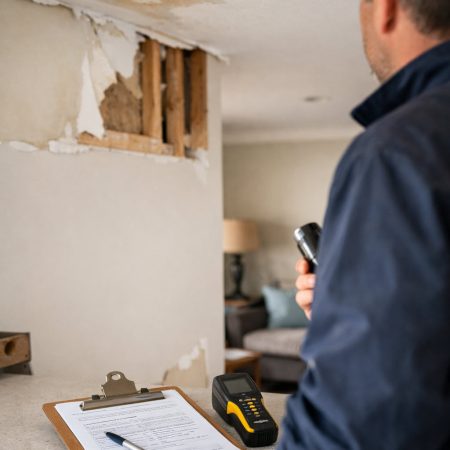
Inspection and Assessment
An assessor, adjuster or estimator may inspect the damage to understand cause, scope of repairs. This process can take time and may involve follow-up visits or additional experts.
Not all damage is clearly visible.
Repair, Replace or Review
Once assessments are complete, decisions are made about repairs, replacement, temporary accommodation or cash settlement steps.
This is often where confusion builds — especially if information is incomplete or expectations are not clear.
Who You May Deal With During a Claim
Insurance claims often involve multiple people — each with a different role. Understanding who does what helps reduce friction, worry and miscommunication.
- Loss Adjuster or Assessor
- Builder or Estimator
- Restoration Specialist
- Claims Handler or Case Manager
- Engineers or Technical Specialists (if required)
Each person plays a role in progressing the claim, but none see the full picture unless information is well documented.
Where Claims Commonly Become Difficult
Information Gaps
Missing photos, dates, or notes can delay decisions or require repeat inspections.
Unclear Expectations
Homeowners often expect timelines or outcomes that were never clearly explained.
Too Many Moving Parts
Multiple contacts, emails, and documents make it hard to stay organised.
Almost all claim issues arise from gaps in the stages and poor communication.
Why Preparation Matters
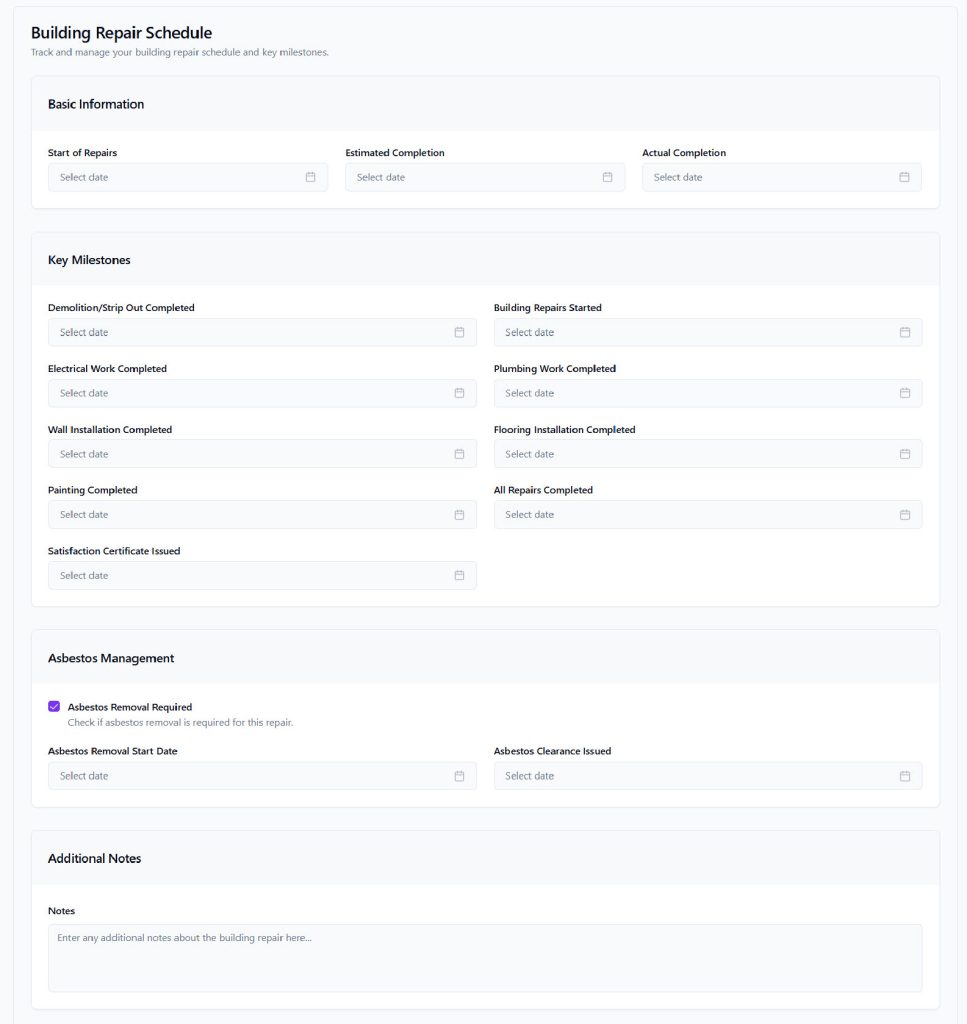
When information is organised and expectations are clear, claims tend to move more smoothly. Decisions are easier, communication improves and stress is reduced — even when repairs take time.
This is where structured guidance and documentation make a measurable difference.
See the Claim ToolsIf you want step-by-step guidance and tools to help you navigate your claim with clarity, the Claim Savvy resources are designed to support you at every stage.