
YOUR STORM GUIDE COMPANION
Storm Damage Resources
Plain-English explanations, useful official links and help using your Claim Savvy PDFs. Keep this page handy when a new name, report or question comes up during your storm claim.
Explore these resources ↓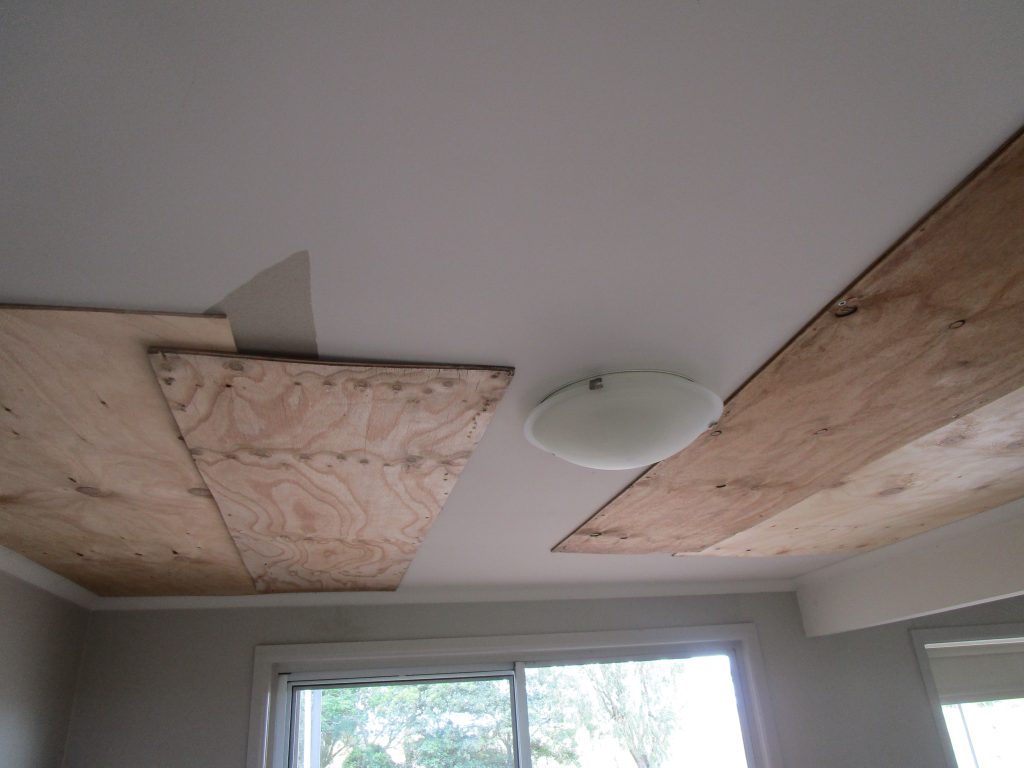
Storm damage can bring several different people to your door. Understanding why each person is involved makes conversations easier to follow. These short explainers add context alongside your guide, whether you live in the property or manage it as a landlord.
Who is visiting, and what are they there to do?
Job titles and appointments vary between insurers. Start by asking who arranged the visit and what the person has been asked to look at.
- Assessor or loss adjuster: may inspect the damage, ask about what happened and report findings to the insurer.
- Engineer or building consultant: may be asked to investigate a particular technical question about the building or damage.
- Builder: may inspect the work involved in repairing the property, prepare a scope or quote, or carry out authorised repairs.
- Restorer: may assess and carry out specialist drying or cleaning work within their appointment.
One visit may answer only part of the picture. A useful opening question is: “What will your report cover, and who should I contact about the next step?” Ask your insurer who your main contact is. QBE’s explanation of claims roles gives one insurer’s example of how these specialists may be involved.
Read weather information in context
The Bureau of Meteorology provides warnings, forecasts and observations. Its guide to finding weather information explains how to locate recent observations and identify the weather station behind them.
When saving weather information, keep the location, station name, date, time and source with it. This helps you explain exactly what the information describes later.
Keep that weather record alongside your own account of what you noticed at the property. A nearby station’s reading is useful context; it is not a measurement taken inside your home. Avoid turning a regional weather report into a conclusion about a particular damaged item.
Describe what you noticed clearly
A short, specific description is easier to follow than a broad statement such as “the whole roof has failed”. You can describe where and when you noticed something without deciding how it happened.
Fictional communication example: “At about 7.30 pm on Tuesday, I noticed water dripping from the lounge-room ceiling beside the window. I photographed the staining from the doorway. I have not inspected the roof. Could you confirm who will assess the source?”
The wording separates the observation, the available record and the question still to be answered. If you are passing on a tenant’s account, identify it as their observation rather than something you saw yourself.
Official information to keep handy
- Bureau of Meteorology warnings and alerts: current weather warnings.
- NSW SES recovery information: NSW safety and recovery resources after storms.
- Queensland disaster support and recovery: Queensland alerts, practical help and recovery information.
- NEMA support and resources hub: find support relevant to your location.
Follow current instructions from your local emergency services. This page is for education and does not provide emergency or site-safety advice.
Save and print your PDFs
Download the PDF to a folder you can find again, then open the saved file to check it downloaded correctly. A clear filename, such as “Claim Savvy guide”, can make it easier to find on a phone or computer.
For printing, check the preview first and select the pages you need. Use “Fit” if the edges are being cut off. For journal pages, check that the writing spaces are clear and large enough to use. Store completed pages securely because they may contain personal information.
Access your purchased resources
Your purchased files are separate from this public companion page. Keep your saved PDFs and order confirmation together. Any bundle-only checklists and educational Q&A access belong with the resources included in your purchase.
A PDF you have already downloaded remains usable on your device even if the original download link later expires.
Continue at your own pace
For the wider claims picture, read How Insurance Claims Work. The Claim Journal is designed to help you keep your own record as the claim progresses.
If you would like more structured guidance, explore the Storm Damage Claim Guide and bundle options.