
YOUR FIRE GUIDE COMPANION
Fire Damage Resources
A calm reference for the unfamiliar words, people and reports that can follow a house fire. Read the section you need now and return when the next question comes up.
Explore these resources ↓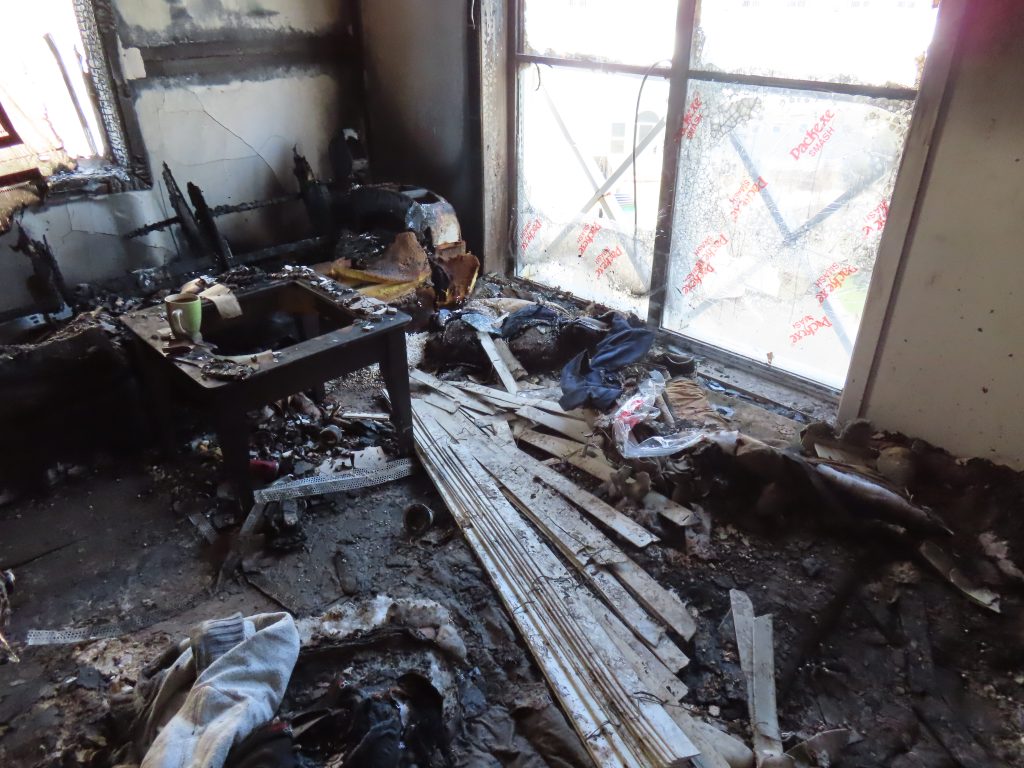
After a fire, it can be hard to take in every conversation. This page explains a few common terms, helps you understand the purpose of different visits and points you towards official recovery information. Use it alongside your Fire Damage Claim Guide.
Smoke, soot and heat: what do those words describe?
A report may use several terms for the effects of the same fire. They describe different observations, so it helps to ask what each term means for the particular room or item being discussed.
- Smoke: the airborne mixture produced by burning. A report may discuss smoke-related residue or odour. The NIST fire-investigation glossary provides the technical definition.
- Soot: carbon-rich particles produced during combustion. If a report identifies soot, ask which surfaces or items were assessed and how that finding was reached.
- Heat damage: a description of effects attributed to heat. Ask the person using the term to explain the observed change and the area it relates to.
You do not need to identify a residue or assess an item’s safety yourself. Keep your description in everyday words and leave technical conclusions to the relevant professional.
Understand the purpose of the next visit
A fire claim can involve work on the building and its contents. The person discussing cleaning may have a different appointment from the person discussing structural repairs.
A fire-restoration specialist may assess residues and odours and plan restoration cleaning. This is the type of work described by the IICRC fire and smoke restoration standard. An assessor may gather information for the insurer, while a builder or technical specialist may be involved in separate building questions.
Ask: “Are you assessing the building, the contents, or both?” Then clarify which decisions remain with the insurer or another specialist. Knowing the purpose of a visit can prevent you waiting for an answer that person was never appointed to give.
Make room-by-room conversations easier
Use the same room and item names when you speak with different people. “Front bedroom wardrobe” is easier to trace than “the cupboard”. If you have several similar items, describe the location or another distinguishing feature.
Fictional communication example: “The report refers to cleaning the front bedroom. I’m not sure whether that includes the built-in wardrobe and the items inside it. Could you explain what was assessed and who is looking at the contents?”
This asks for the meaning of the report without assuming that an item is repairable, needs replacement or is covered. The answer can be recorded in your own words, with the speaker’s name and date.
Official recovery information
- Fire and Rescue NSW: what to do after the fire: official guidance on the immediate aftermath of a house fire.
- Fire and Rescue NSW recovery resources: its recovery kit and related support information.
- Queensland Fire Department recovery information: after-fire guidance and recovery links.
- NEMA support and resources hub: broader disaster-support information where relevant.
Follow the fire service’s instructions about access and safety. Do not use this page to decide whether a building, service or item is safe to enter or use.
Save and print your PDFs
Download the PDF to a folder you can find again, then open the saved file to check it downloaded correctly. A clear filename, such as “Claim Savvy guide”, can make it easier to find on a phone or computer.
For printing, check the preview first and select the pages you need. Use “Fit” if the edges are being cut off. For journal pages, check that the writing spaces are clear and large enough to use. Store completed pages securely because they may contain personal information.
Access your purchased resources
Your purchased files are separate from this public companion page. Keep your saved PDFs and order confirmation together. Any bundle-only checklists and educational Q&A access belong with the resources included in your purchase.
A PDF you have already downloaded remains usable on your device even if the original download link later expires.
Continue at your own pace
For the wider claims picture, read How Insurance Claims Work. The Claim Journal is designed to help you keep your own record as the claim progresses.
If you would like more structured guidance, explore the Fire Damage Claim Guide and bundle options.